

Generative Engine Optimization Strategies That Turn AI Search Into Your Biggest Traffic Source
Author: KUMO Studio
Let's start with one simple question: when you search for information today, do you still browse websites one by one, or do you just type your question into ChatGPT or read Google's AI Overview?
Chances are, it's the second one.
The way people search for information has changed because AI makes it faster and easier to find answers. This behavior also creates a new challenge for website owners, because ranking high on Google alone is no longer enough to ensure your website gets cited by AI.
That's why a new strategy called Generative Engine Optimization (GEO) has emerged to help websites become more likely to be featured in AI-generated answers. Curious about how it works? Let's dive deeper into GEO, starting from its definition to how you can implement it on your website.

What Is Generative Engine Optimization (GEO)?
Generative Engine Optimization (GEO) is the practice of optimizing your website content so it is easier for AI engines to discover, understand, and use as a source when generating answers.
The term 'GEO' was first introduced in 2023 through a research paper titled "GEO: Generative Engine Optimization" by six researchers from Princeton University, the Indian Institute of Technology Delhi, and independent researchers from Seattle, USA. Their goal was simple: to help content creators improve their visibility within AI-generated responses, where they have limited control over how their content appears.
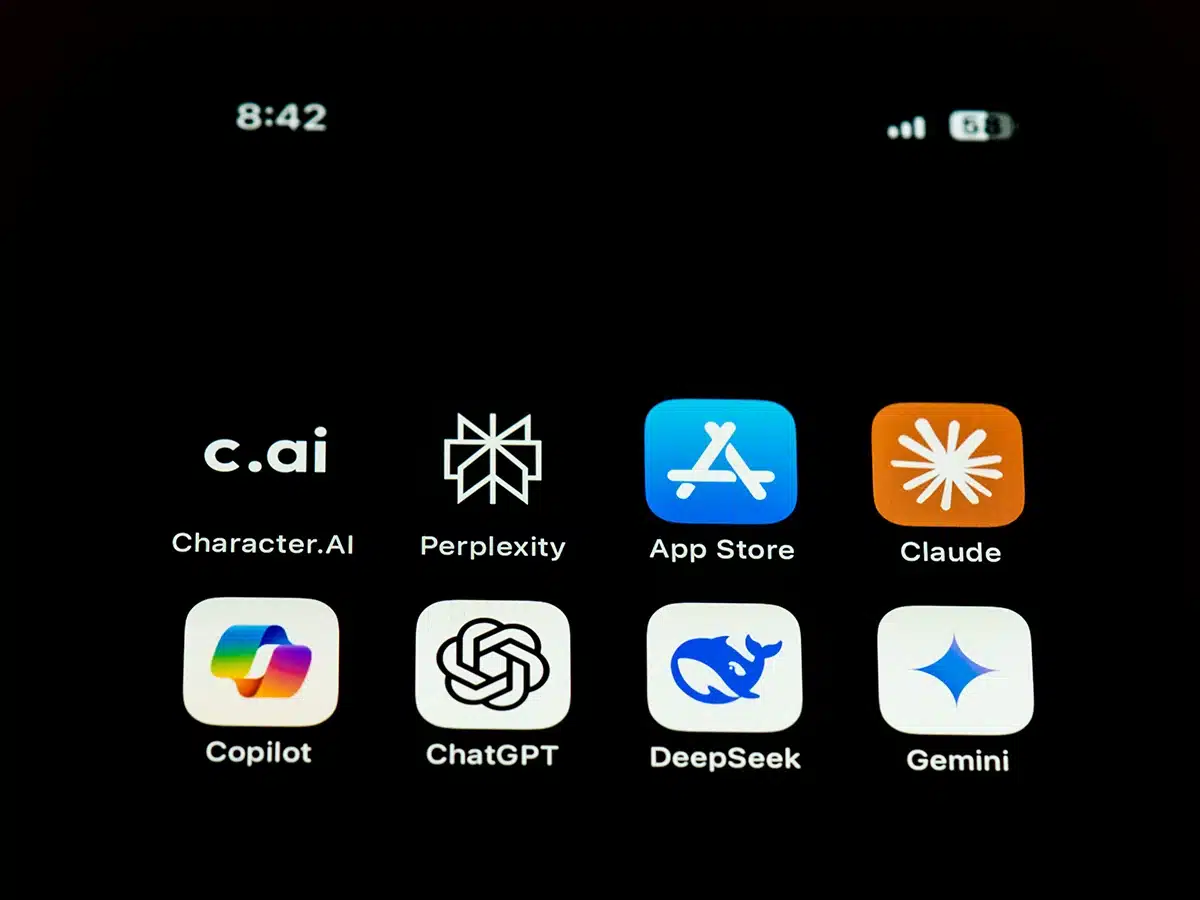
Since then, GEO has become a widely discussed topic among SEO experts and digital marketers. Much of that conversation is driven by the rise of Google AI Overviews and LLM-powered tools like Perplexity, Claude, and Gemini, which are changing how people search for information beyond traditional search engines.

Are GEO Strategies Different from SEO?
GEO and SEO differ in their focus and the approaches used to achieve their goals. For a clearer picture, here is a side-by-side comparison:
| Feature | SEO | GEO |
|---|---|---|
| Goal | Rank higher on search engine results pages (SERPs) | Get cited and referenced in AI-generated answers |
| Targets | Search engine crawlers | LLM retrieval and citation logic |
| Main Signal | Keywords and backlinks | Semantic relevance and source trustworthiness |
| Success Metric | Rankings, clicks, and organic traffic | AI citations, brand mentions, and answer visibility |
| Content Format | Optimized for search intent | Optimized for direct, citable answers |
Although there are differences between traditional SEO and GEO, that doesn't mean you should abandon your SEO strategy and replace it entirely with GEO. In fact, both also share several overlapping principles that make them work better together:
- E-E-A-T (Experience, Expertise, Authoritativeness, and Trustworthiness) is a foundation for evaluating content quality in SEO. But it also carries the same weight in GEO, as AI engines favor content that demonstrates genuine expertise and credibility.
- Site speed and technical health are important for GEO because websites that are fast and free from technical issues are easier for AI engines to access and process.
- Authority and backlinks are used by GEO as a measure of being "credible". So the more credible and referenced your website is, the higher your chances of ranking organically and being cited by AI engines.

Content Strategies to Maximize Your GEO
Research from Ahrefs shows that only 37.9% of pages cited by Google AI Overview come from the top 10 search results, while 31.2% come from pages ranked 11 to 100, and another 31.0% are not even within the top 100 results.
This is good news for those who are still building their SEO strategy, because it means you can pursue GEO alongside SEO from the very beginning. Here are some content strategies that can increase your website's chances of being cited by AI platforms:
1. Use Easy-to-Understand Language
Generative engines process information from multiple sources simultaneously, and content that is easy to understand helps AI summarize and present information to users more accurately.
The same research paper also found that using easy-to-understand and natural language can increase AI visibility by around 15 to 30%. This means the way you write your content is just as important as what you write about.
2. Structure Your Content for AI Parsing
Use clear headings and subheadings to help AI understand your content hierarchy. Place the main answer at the beginning of each section so AI can extract and use information more quickly. For complex information, use bullet points or numbered lists to make it more structured and easier to process.
3. Combine Keywords and Questions
When people use AI tools like ChatGPT or Gemini, they do not type short keywords. Instead, they tend to ask complete questions more naturally and conversationally.
This means your content should reflect how people actually speak and search. For example, instead of using a heading like "Get to Know SEO," try reframing it as a question, such as "What is SEO?" You can apply this to your headings (like the blog you are reading right now) or in a dedicated FAQ section.
4. Support Your Content With Quotes and Citations
Including quotes from credible sources and adding citations from trusted references makes your content more informative than opinion-based or general claims. This helps AI better understand where the information comes from and assess its credibility, increasing the chances of your content being cited in AI-generated responses.
5. Optimize Individual Passages Within Your Content
AI search engines do not always reference an entire page. More often, they extract specific sections or passages that directly answer a user's question. This means each section of your content should be able to stand alone as a complete and useful answer.
Google also uses this concept and calls it passage indexing. It allows Google to identify and extract specific passages from a page as relevant answers to user queries, even if those passages are not the page’s main topic.

Technical Strategies to Support Your GEO
Content is not the only thing that influences whether AI cites your website. Technical elements that are not visible to users also play an important part in GEO, such as:
1. Implement Structured Data (Schema)
For GEO, the most useful schema types include FAQ schema for question-and-answer content, How-To schema for step-by-step guides, and Blog Post schema for articles and editorial content. Implementing schema labels your content so machines can read it more easily. As a result, AI engines can categorize it more accurately and pull the right information when generating answers.
If you have never used structured data (schema) before, Google Rich Results Test and Schema.org are good places to start.
2. Check Your Website Crawlability and Indexing
A well-structured website makes it easier for crawlers to navigate from one page to another without encountering dead ends or broken links. Page loading speed also important, as slow pages are more likely to be deprioritized during crawling. To keep your site healthy, regularly audit your XML sitemap and robots.txt file to make sure the right pages are being indexed and no important pages are accidentally blocked.
3. Monitor Your AI Visibility
GEO is still a relatively new field, but tools to support it are catching up. Platforms like Ahrefs now let you track how often your content is cited across different generative search engines. You can also type relevant questions into ChatGPT, Perplexity, or Google AI Overview to see whether your website shows up as a source.
Either way, checking your AI visibility regularly helps you understand what is working and where your GEO strategy needs improvement.
Let's Wrap it Up
The shift toward AI search is not slowing down. Every day, more people turn to generative AI tools for answers, and the websites cited in those answers are the ones that took GEO seriously early on.
You now have the strategies to do the same. The next step is putting them into practice, one piece of content and one technical fix at a time!
If you need an expert to help your website show up where your audience is already looking, whether that is on Google or in AI-generated answers, KUMO Studio can help you get there. Get in touch today and let us tailor the right strategy for your business goals.

Ready to bring your goals to life?
