

Search Engine Marketing Services Guide for Paid Search Success
Author: KUMO Studio
With more businesses crowding the digital space, staying visible is what separates brands that get clicks from those that get overlooked. Search Engine Marketing (SEM) services are one of the ways to put your brand in front of the right audience.
Most digital marketers define SEM services as paid advertising, where businesses pay to appear at the top of search results. But the term often overlaps with SEO and some use it to refer to both paid and organic strategies working together.
In this blog, we're going to break down what search engine marketing services really look like in action. You’ll get an inside look at what makes a strong SEM strategy tick and the kind of impact businesses are seeing when it’s done right. No matter if you’re kicking off your first paid search effort or refining one that’s in motion, SEM can spark momentum and put your brand in front of the right audience who are ready to act.
What is Search Engine Marketing?
Search Engine Marketing (SEM) is sometimes treated as a catch-all term, but today it’s most commonly used to describe paid search advertising, also known as PPC (pay-per-click). It’s the strategy behind those "sponsored" results you see at the top of search engine result pages (SERPs) when you search for anything from “best running shoes” to “B2B marketing agency near me.” Businesses pay to show up in those spots and they only get charged when someone clicks.
While SEM focuses on paid tactics, it doesn’t exist in a vacuum. It’s one part of a broader digital marketing strategy that includes Search Engine Optimization (SEO), social media marketing, content marketing, and even email.
What makes SEM so valuable is its speed. SEO is a long game that builds trust and long-term visibility over time. SEM, on the other hand, can get your brand in front of potential customers within days! That’s especially useful when launching a new product and wanting attention right away or entering a competitive space where organic rankings are hard to crack.
Organic Search vs Paid Search
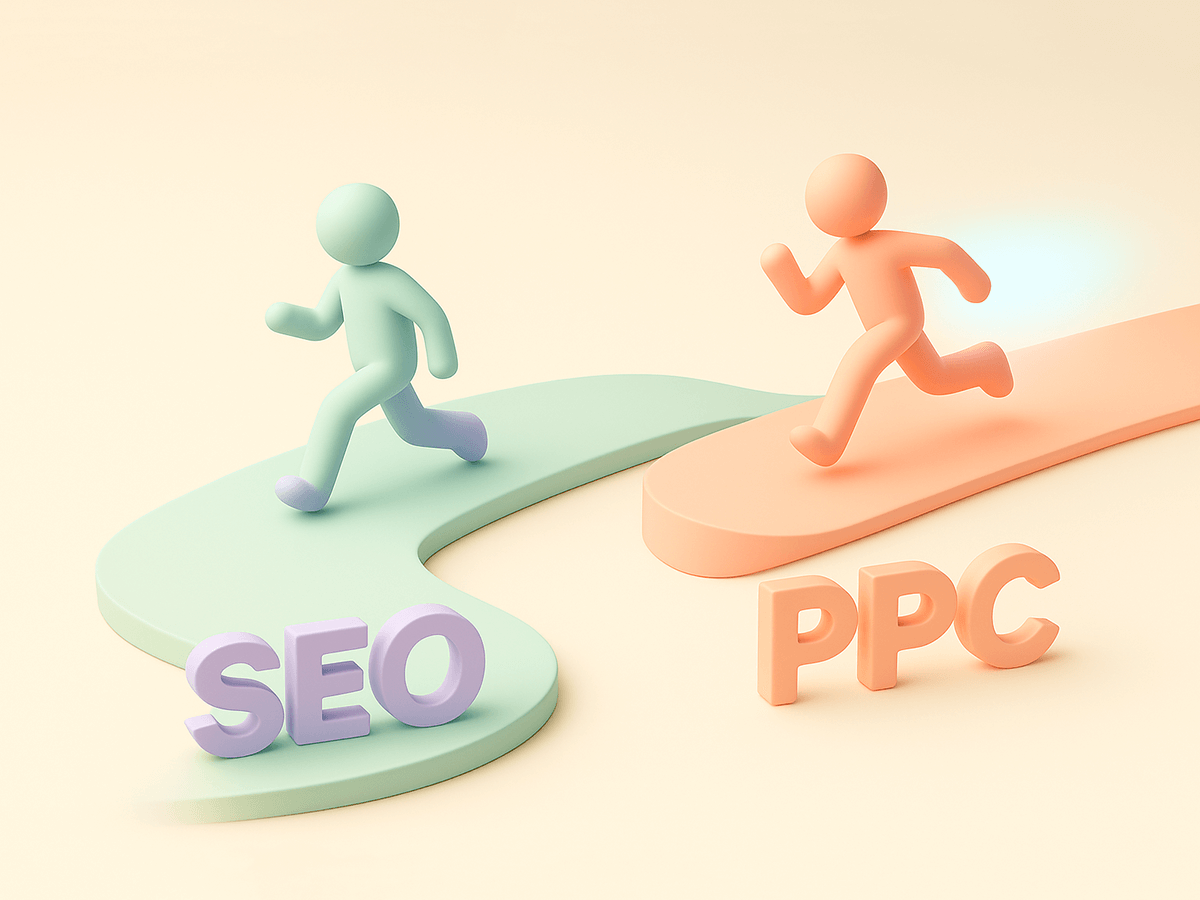
Organic search is how your website earns a place in results without paying for it. It runs on SEO tactics such as creating useful content and improving your site so search engines begin to see your brand as trustworthy. Paid search takes a different route. With PPC, your ads rise to the top through keyword bidding and only pay when someone clicks.
Think of search marketing like a race. SEO is the marathon runner—steady, consistent, and built for endurance. It takes time to train, but once you’ve built momentum, it carries you mile after mile with lasting results.
In comparison, PPC is the sprinter. The moment the gun fires, you’re at the front of the pack. Paid ads push your brand into the spotlight within days, but like any sprint, you’ll need constant energy (budget) to keep the momentum going.
So, which one should you choose?
- Go with SEO if your goal is to build authority and earn trust while staying visible in searches long after the work is done. It’s the path for brands that want to own evergreen topics and be recognized as a true voice of expertise.
- Turn to PPC when speed is the priority. Maybe you’re launching something new, running a limited-time promotion, or trying to break into a space where competitors already dominate the rankings. Paid campaigns give you that instant push to the front of the line.
- The real magic happens when SEO and PPC work side by side. Together, they build credibility over time while giving your brand instant visibility to show up exactly when customers are ready to act.

Key Components of Search Engine Marketing Services
We’ve talked about how SEO strategies and PPC strategies take different approaches, but the real power of SEM services shows up in the details. Let’s break down the key components that keep an SEM campaign performing at its best.
PPC Advertising
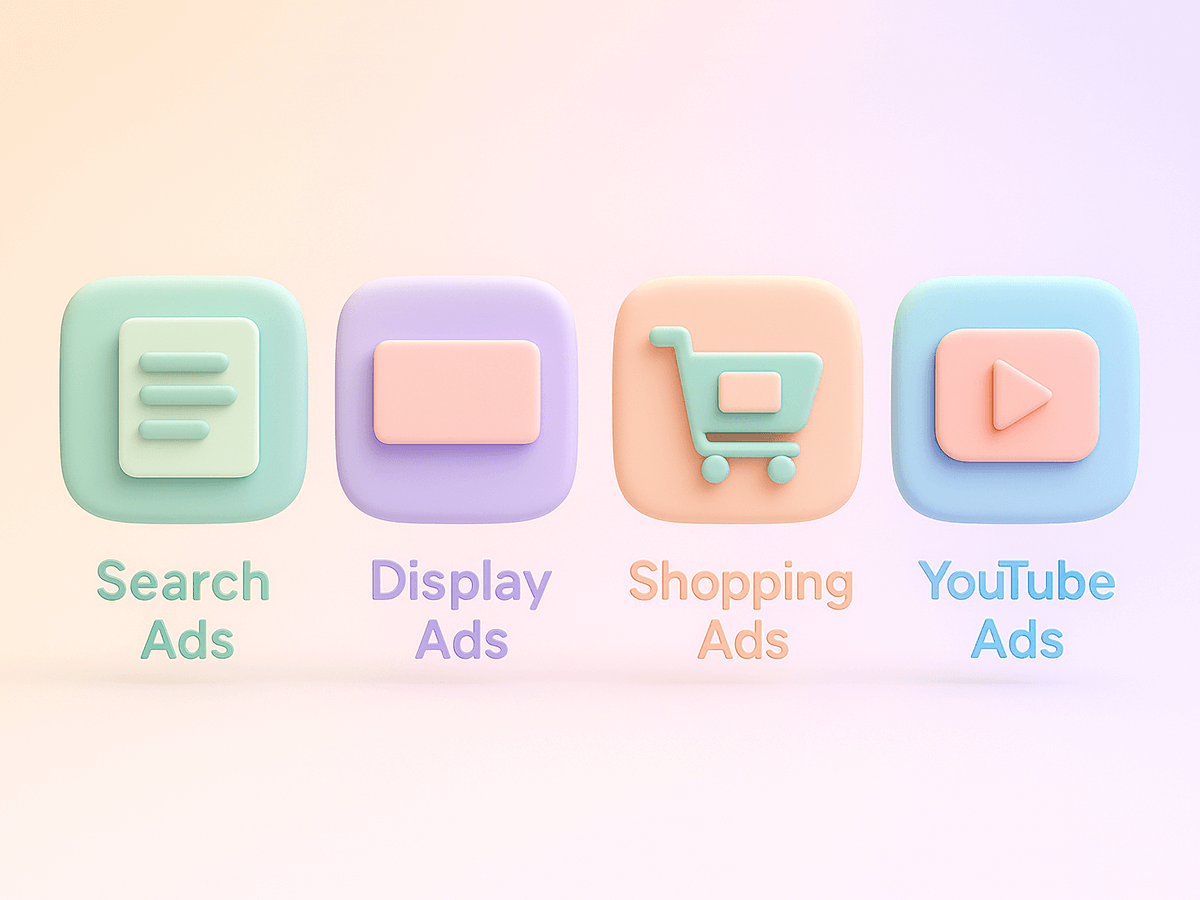
At the heart of SEM is PPC advertising, where advertisers compete for visibility by bidding on keywords and paying only when someone engages with their ad. The most popular platform is Google Ads, though Bing or Microsoft Ads can also be effective in certain markets. Within these platforms, you can choose from different campaign types depending on your goals:
- Search Ads: Text-based ads that show up at the top of search results when someone types in relevant keywords.
- Display Ads: Visual banner ads across partner websites, great for brand awareness.
- Shopping Ads: Product-based ads with images, prices, and direct links to buy—a must for e-commerce.
- YouTube Ads: Video ads that appear before or during content, ideal for storytelling.
So how does PPC actually work? Advertisers bid on keywords that are relevant to their products or services. Search engines then decide ad placement based not only on the bid amount but also on the quality and relevance of the ad itself.
Target Research
If PPC is the engine behind SEM, then targeting research is the fuel that keeps it running. But not all campaigns run on the same fuel. Different ad types need different targeting strategies.
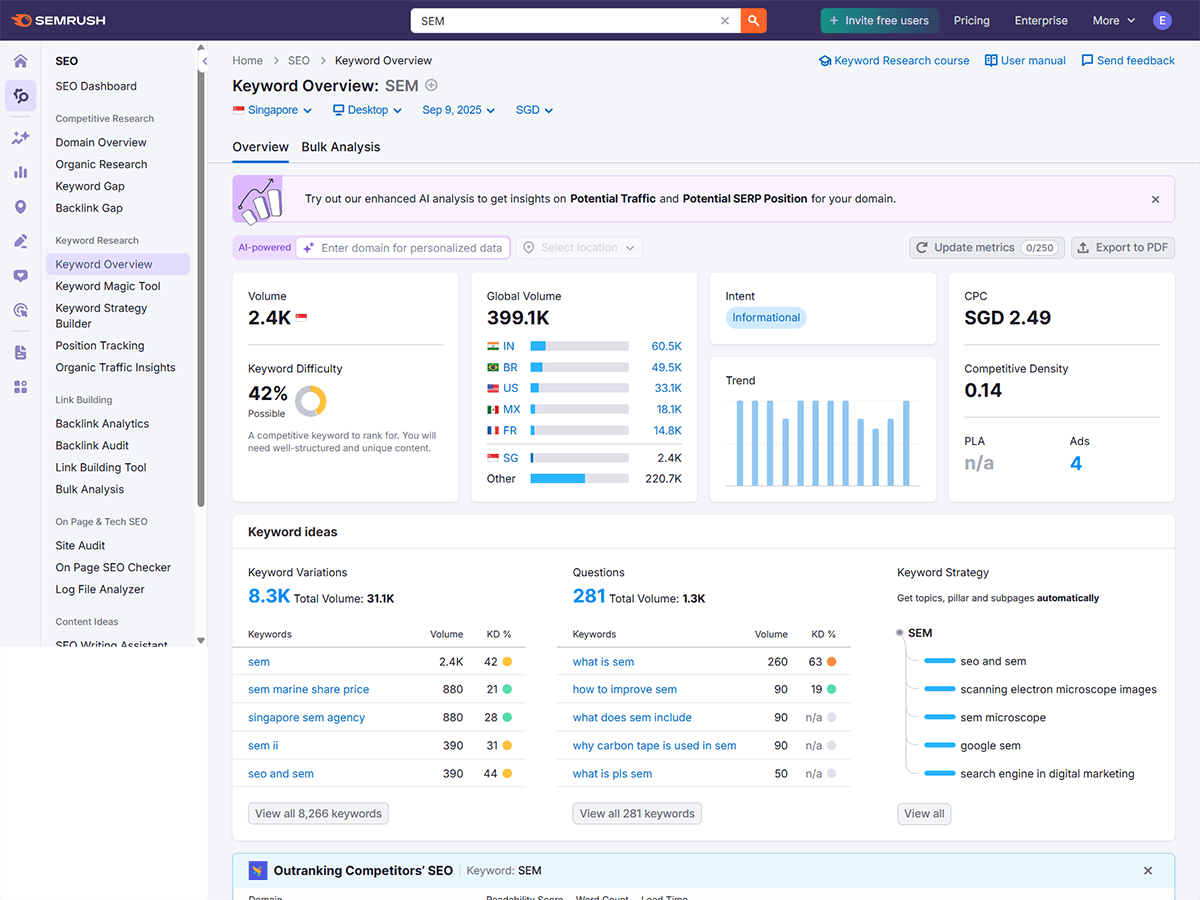
If you're running Search Ads, keyword research is your best friend. The goal is to find high-intent search terms that signal someone is ready to take action. Tools like SEMrush and Ahrefs help you uncover these opportunities by showing how people are actually searching online.
But when it comes to Display and YouTube Ads, keywords aren’t the whole story. You'll also want to dig into:
- Topic targeting: placing your ads alongside content that matches what your audience is browsing.
- Interest targeting: reaching people based on interests and online behaviors like fitness, fashion, or travel.
Strong SEM campaigns use all of these elements. When you combine keyword, topic, and interest research, your ads tap into how people actually search. This makes it easier for your campaigns to turn curiosity into real results.

Ad Copy and Ad Creative
In SEM, your ad only has a few seconds to make an impression. It might pop up while someone’s mid-scroll on their favorite blog or sneak into a YouTube video. No matter where it appears, every word and visual needs to work together to catch attention and spark action.
Strong ad copy speaks directly to what someone is searching for and gives them a reason to click right now. To give an illustration: Compare “Buy Running Shoes Online” with “Lightweight Running Shoes—Free 2-Day Shipping.” The second one not only matches what the user is looking for but also highlights a benefit (lightweight) and an incentive (free shipping).
The best SEM ad copy often includes:
- Keywords that mirror the searcher’s query.
- A clear value proposition (price, feature, or unique benefit).
- A call-to-action that creates urgency, like “Shop Today” or “Book Your Free Demo.”
Great copy is only part of what makes an ad work. Visuals carry just as much weight. In Display and YouTube campaigns, ad creative like an eye-catching image or a quick, engaging video can be what stops someone mid-scroll and gets them to pay attention.
When it comes to visuals, here’s what makes ad creative stand out:
- On-brand visuals that feel relevant to the offer.
- Short, compelling videos that hook viewers quickly and support your message.

Landing Page Optimization
The job isn’t done once someone clicks your ad. What happens next determines whether you win a customer or lose them. If the landing page is clunky or doesn’t match the ad, people leave fast. But if it keeps the promise of the ad and makes the next step simple, that’s when clicks turn into customers.
Also, Google pays attention to where your ads send people. A landing page that loads fast and actually matches what the ad promised is far more likely to earn a higher quality score. That score can lower your costs and give your ad better placement.
Elements of a high-performing landing page include:
- Clear headline: Matches the ad so users know they’re in the right place.
- Fast load speed: Even a 2–3 second delay can cause drop-offs.
- Mobile-first design: With most traffic coming from phones, this is non-negotiable.

Remarketing Campaigns
Most people won’t buy the first time they visit your website. Some are just browsing or many go off to compare options. Remarketing lets you reconnect with people who’ve already shown interest in your brand and gives them a gentle nudge to come back.
Remarketing can take different forms:
- Display or Standard Remarketing: Banner ads that follow users around the web after visiting your site.
- Remarketing Lists for Search Ads (RLSA): Tailored ads that appear when past visitors search again on Google.
- Social Media Remarketing: Ads on platforms like Facebook or Instagram that re-engage people who interacted with your content.
To illustrate how remarketing campaigns work, imagine a user clicks your ad, browses your website, then leaves. It happens all the time. Maybe they’re comparing options or just not ready to decide. Remarketing helps bring them back. With a quick reminder on social media or across the web, you stay on their radar until they’re ready to take action.
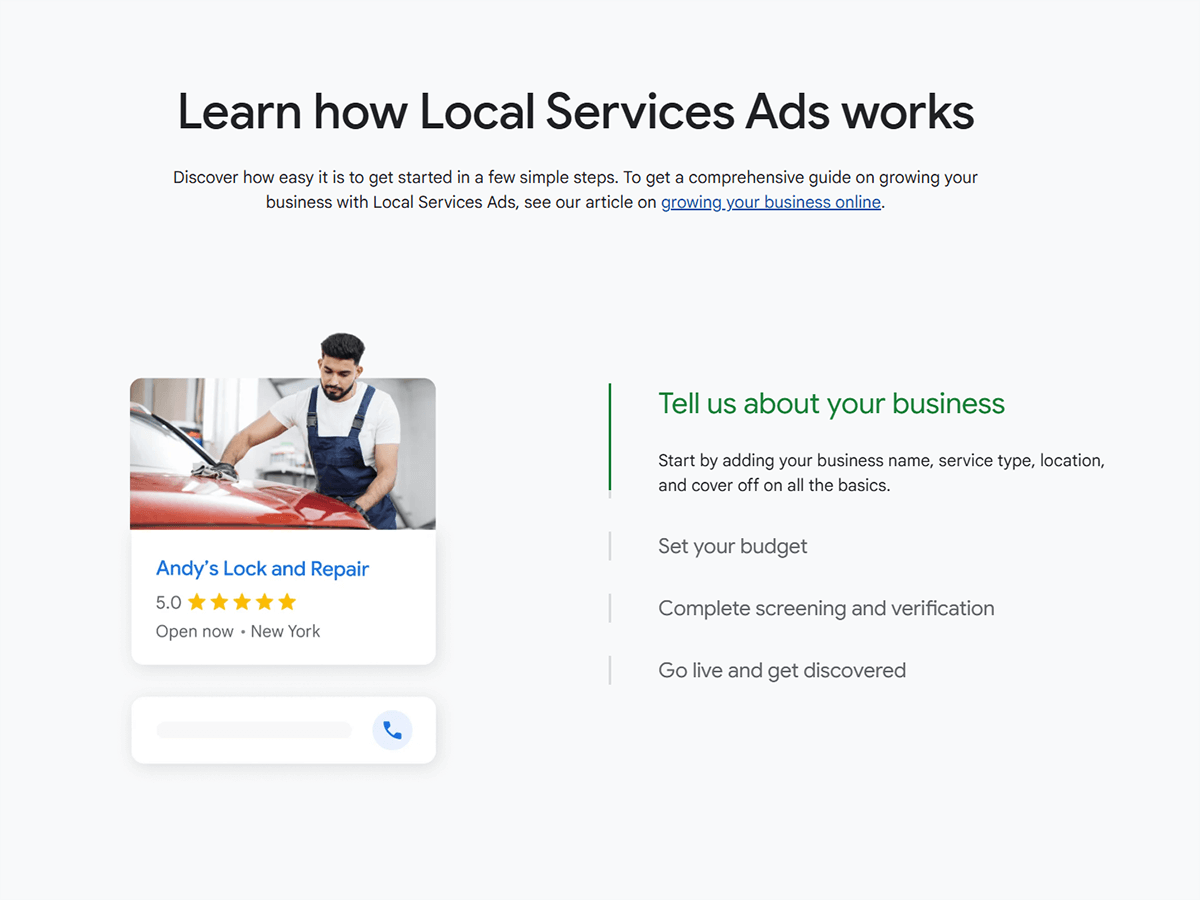
For businesses that rely on local customers, local Search Engine Marketing campaigns are a game changer. By using geo-targeted ads, you can reach people searching for services “near me” or within a specific area.
There are a couple of simple yet effective ways to run local search advertising. Google Local Services Ads place verified businesses such as plumbers or salons at the very top of search results and include a “Google Guaranteed” badge that builds trust instantly.
Another option is using location extensions in Google Ads, which show your business address, phone number, or even a map pin directly in the ad so nearby customers can get in touch without extra steps.
The real advantage of local search advertising is timing. When someone searches “emergency plumber near me” at midnight, they are looking for help right away. Local ads make sure your business shows up in that moment and gets the call.
How to Build a Successful SEM Strategy
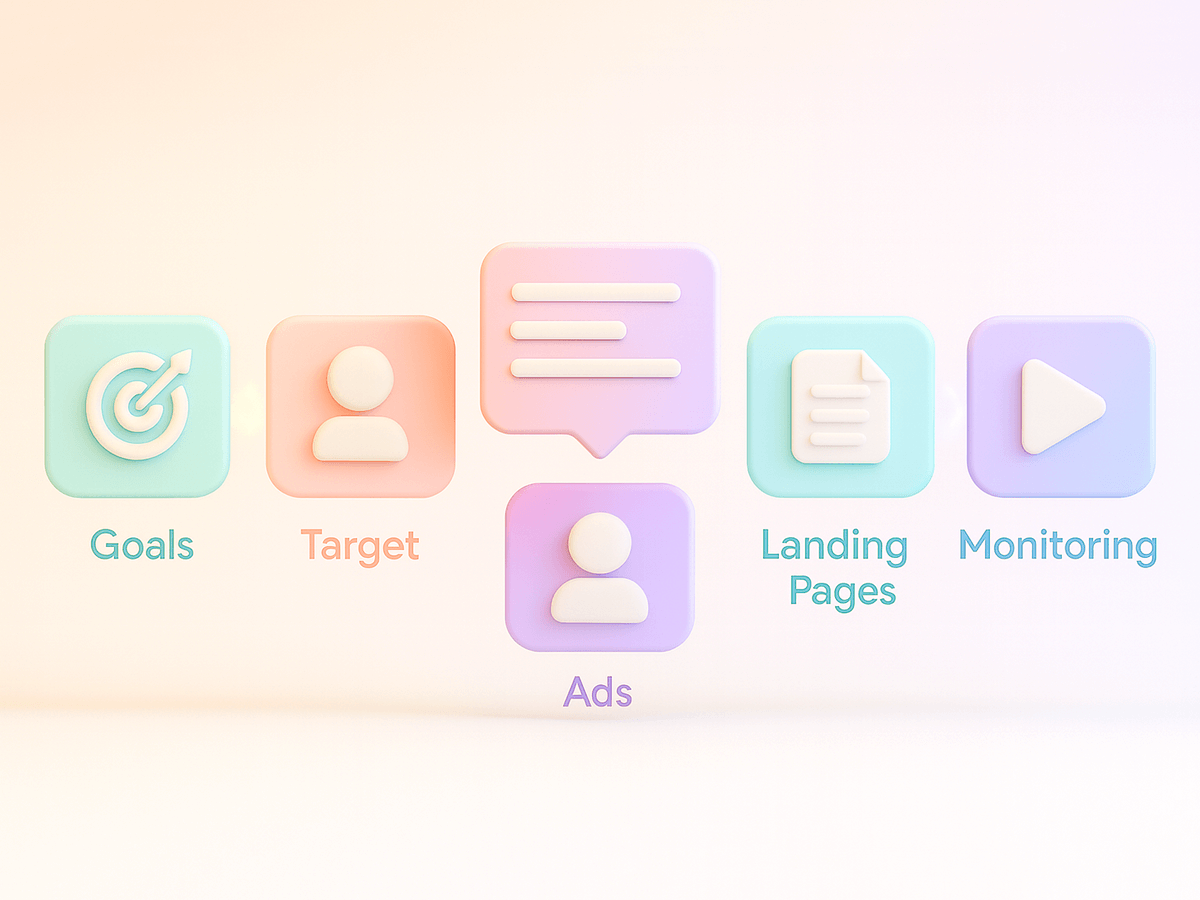
Knowing the components of SEM is only half the picture. To actually see results, you need a strategy that ties all these components together and keeps them working toward your business goals. Here’s how to do it.
Step 1: Define Goals and Budget
Every strong SEM campaign starts with a clear goal. Before you run a single ad, define what success actually looks like. Are you aiming to generate qualified leads, boost e-commerce sales, or bring more customers through the doors of your local business? Writing these goals down and making them measurable is key. Frameworks like S.M.A.R.T. goals can help keep your targets realistic and trackable.
Once your goals are in place, the next step is setting a budget that aligns with them. A reliable way to set your SEM budget is by using the Cost Per Acquisition (CPA) approach. Instead of guessing how much to spend, you define the maximum amount you’re willing to pay to acquire a customer or lead.
For example, let’s say you run a home cleaning service and one new booking brings in $300 in revenue. If you’re comfortable spending $60 to secure that booking, your CPA target is $60. This number then guides your bidding strategy, cost-per-click limits, and monthly ad spend.
The advantage of working with CPA is tied directly to business outcomes instead of simply driving traffic. You can start small and scale up once you know your campaigns are consistently bringing in customers at or below your target CPA.
Step 2: Perform Target Research
You’ve got your campaign goals. Now it’s time to figure out who you want to see your ads. Targeting research helps you understand what your audience is looking for and what actually gets their attention. Here's how to perform it:
Start with Keyword Research for Search Ads
A smart way to begin SEM keyword research is by writing down the specific products or services you offer, along with the problems you help customers solve. These become the backbone of your keyword list because they reflect the real terms people use when they’re ready to buy from businesses like yours. The key is to focus on phrases that show clear intent to take action instead of ones that sound like someone’s still browsing.
Keyword research also means knowing which searches you don’t want to show up for. "Negative keywords" help filter out traffic that’s unlikely to convert. Let's say, you’re promoting a paid fitness app and your ad shows up for someone looking for a “free workout plan”. If they click, you’ve paid for a visitor who will never become a customer. Adding “free” as a negative keyword prevents your ad from appearing in searches like that, so your budget goes toward people who are actually willing to pay. Tools like Google Keyword Planner or SEMrush help you spot the keywords worth targeting and the ones that could drain your budget.
Use Topic and Interest Targeting for Display and YouTube Ads
When people aren’t actively searching but are browsing websites or watching content, keywords matter less. This is where you shift focus to what your audience is doing and the kind of content they’re drawn to. You can start with:
- Topic targeting: This places your ads next to content that’s relevant to your offer. For example, if you're promoting a fitness app, your ad could appear on websites covering workout routines, nutrition advice, or videos about strength training and home workouts.
- Interest targeting: This helps you connect with people based on their browsing behavior and interests. Maybe it’s someone searching for quick 20-minute home workouts before work or watching meal prep videos to build healthier habits. Either way, you're reaching people who are already in the mindset your product speaks to.
Step 3: Optimize Website and Landing Pages
The best ad in the world won’t deliver results if the landing page falls flat. Visitors expect speed, and even a brief delay can send them clicking away—especially on mobile. Once the page loads, it should feel effortless to move forward. Whether you want someone to fill out a form or complete a purchase, the path should be obvious and inviting, like a well-lit doorway leading them to the next step.
Small details can make a big difference. Clear calls-to-action work best when they highlight value, like "Start your free trial today" compared to a vague "Sign up now." Adding trust signals such as testimonials or reviews can also give visitors the confidence to move forward.
A page with clean visuals that guide attention makes it easier for people to focus on what you want them to do. When your landing page matches the promise of the ad and keeps the journey simple, clicks are much more likely to turn into customers.
Step 4: Launch and Monitor Paid Search Ads
Once your ads are ready, launch the campaign—but don’t set it and forget it. SEM is constantly moving and campaigns that perform well today might need adjustments tomorrow. The key is to monitor closely and keep refining.
A few ways to stay on top of performance:
- Run A/B tests: Try different headlines, descriptions, and visuals to see what connects best with your audience.
- Watch your bids: Increase spending on keywords that are driving conversions and scale back on the ones that aren’t performing.
- Adjust targeting: Refine your audience settings based on location, device, or time of day to make sure your budget is being spent wisely.
- Use ad scheduling: Show ads during the times your audience is most active, instead of wasting spend when they’re unlikely to convert.
Step 5: Track, Analyze, and Optimize
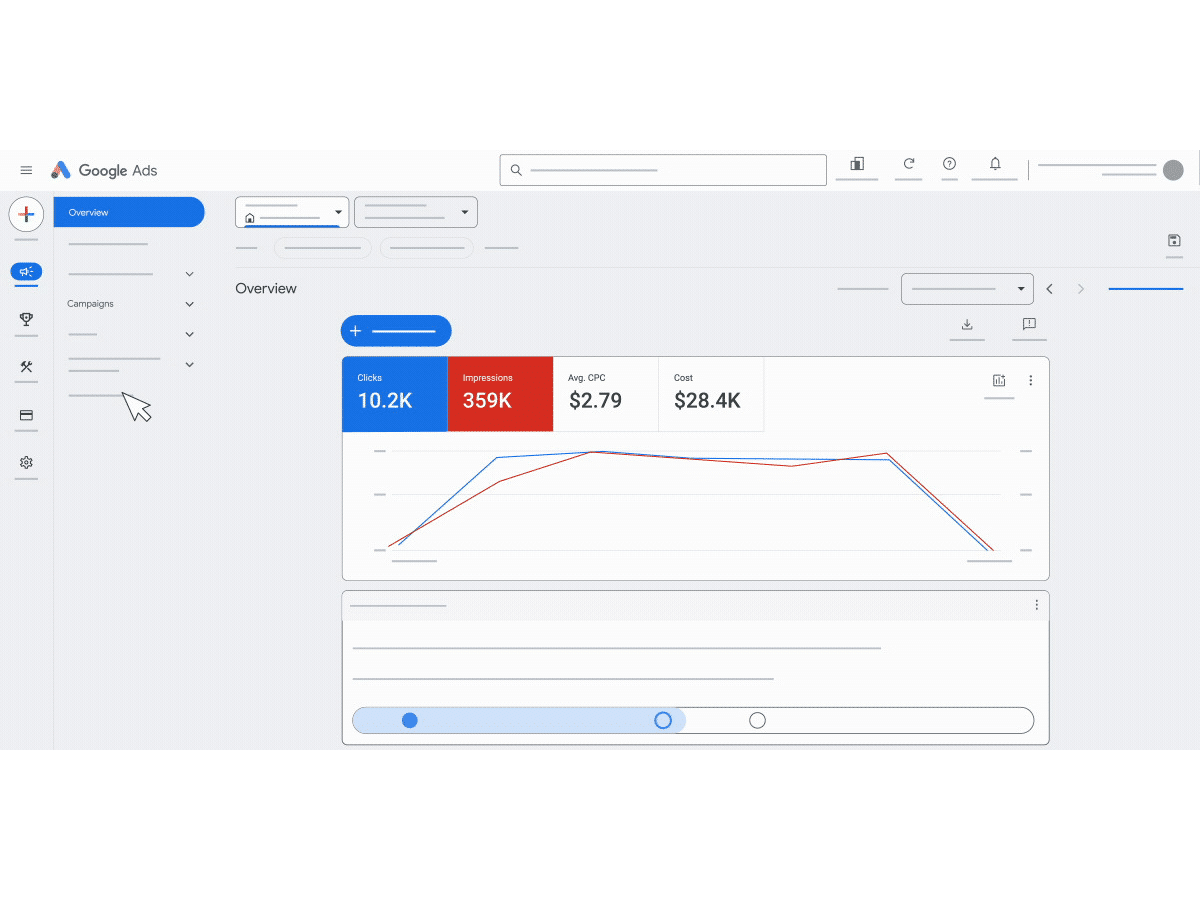
One of the biggest strengths of SEM is how measurable it is. Every impression, click, and conversion leaves a trail of data you can use to understand what’s working and where things need improvement. Tools like Google Analytics and Google Ads dashboards give you a front-row view of campaign performance compared to your original goals.
But tracking numbers alone won’t grow your business. What matters is how you use those insights. SEM works best as a cycle of constant refinement. A few examples:
- If one version of your ad consistently earns more clicks, increase its reach and pause the weaker variation.
- If a landing page shows high bounce rates, test different headlines, simplify the design, or adjust the offer until engagement improves.
- If mobile conversions lag behind desktop, check the mobile experience closely—slow load times or hard-to-tap buttons might be costing you sales.
- If certain keywords eat up budget but deliver few results, replace them with more specific, cost-effective terms.
The point is, SEM is never “done.” The campaigns that perform best are the ones that are measured and fine-tuned over time. The more you learn from your data and adapt, the more efficient and profitable your campaigns become.
Common SEM Challenges and How to Tackle Them
No SEM strategy is completely challenge-free. Luckily, most of the SEM challenges can be solved with the right tweaks. Let’s break down some common struggles and how to handle them.
Rising CPCs and Fierce Competition
It’s no secret that cost-per-click (CPC) prices are climbing, especially in competitive industries like property, legal, finance, and e-commerce. Paying top dollar just to land on page one can feel overwhelming.
The solution is to get smarter with keyword targeting. Instead of pouring your budget into broad and expensive keywords, lean on long-tail keywords that capture buyers with specific intent. Adding negative keywords also keeps you from wasting money on irrelevant clicks. The result: fewer wasted impressions and more budget going toward clicks that actually convert.
Striking the Balance Between SEO and PPC
Many businesses wonder: “Should I spend more on ads or focus on SEO?” It’s not always an easy decision, especially when budgets are tight.
Using both SEO and PPC is the smarter move because they work best when they support each other. But if your resources are limited and you need to pick a lane, let the numbers lead the way. If your paid ads are converting at or below your target CPA, it might make sense to keep the ad engine running. But if your SEO content is starting to rank and bring in steady traffic, shifting your focus to organic growth could pay off more in the long run.
Ad Fatigue and Declining CTR
Your campaign kicks off strong and delivers results. But over time, you start to notice the clicks aren’t coming in like they used to. That quiet drop-off is what marketers call ad fatigue.
To fight it, keep your ads fresh. Rotate headlines and visuals before performance flatlines and use dynamic ad formats that adjust automatically based on the searcher’s intent. Small tweaks like highlighting new offers or changing up visuals can reignite engagement and keep campaigns from going stale.
Keeping Pace with Google Ads Updates
Google has a way of keeping marketers busy. With constant updates rolling out and best practices shifting, managing SEM can start to feel like a job in itself.
That’s why it pays to have SEM experts in your corner. Partnering with a digital marketing agency that stays ahead of Google’s updates not only saves you time and money but also spares you the headaches.

Let's Wrap it Up
SEM is your go-to when speed matters. It helps you achieve quick results in competitive spaces and get your products in front of people who are ready to act. Just keep in mind that smart budgeting and the right strategy are what make it work.
Although SEM is often understood separately from SEO, using both is the smarter move. Your business not only appears more credible by showing up in organic results, but it can also directly reach prospects who are ready to buy through ads.
If you're struggling to get real results from SEO or SEM, or you need expert guidance to make smarter decisions on your SEM campaigns, KUMO Studio is here to help. Our team knows how to create SEM and SEO campaigns that align with your business goals and deliver results that actually drive growth. Contact us today!
Ready to bring your goals to life?
