

How to Drive Traffic to Your Website with Proven Strategies That Increase Visitors
Author: KUMO Studio
Launching a website is the exciting first step in your online journey. But the bigger challenge you'll face is consistently getting people to visit your website. A stunning design might catch an eye or two, but it takes targeted strategies to make your site appear on the first page of search engine results pages (SERPs) and bring in steady traffic over time. Those strategies also vary based on your goals, like slowly building trust with your audience over time or sparking quick attention to generate immediate traction.
In this article, we'll walk you through proven tactics on how to drive traffic to your website, from page optimization to smart digital marketing moves that reliably boost visitors with real results. If you're ready to transform your site into a real traffic magnet, let's jump in and get started!

The Best Strategies to Increase Traffic for Your Website
There’s no single, one-size-fits-all tactic to increase website traffic. It requires a combination of strategies that match your goals, speak to your audience, and fit your current stage of growth. To help you get started, here are the three core strategies you should know:
- Using Search Engine Optimization (SEO) to increase your visibility and attract search-driven traffic.
- Creating high-quality content to inform users and establish your authority.
- Using paid advertising (e.g., Google Ads) and social media platforms to quickly expand your reach and drive targeted visits.
Now, let’s break down how each of these strategies works and how combining them can bring in steady traffic over time.
Increase Traffic to Website with Search Engine Optimization (SEO)
The starting point to get more website traffic is strengthening your SEO foundation. You can optimize the SEO elements, such as on-page SEO, off-page SEO, and technical SEO, to make your website easy for search engines to crawl and understand and enhance user experience to keep visitors engaged once they arrive. Here's how to do it step by step.

1. Optimize Meta Titles and Meta Descriptions
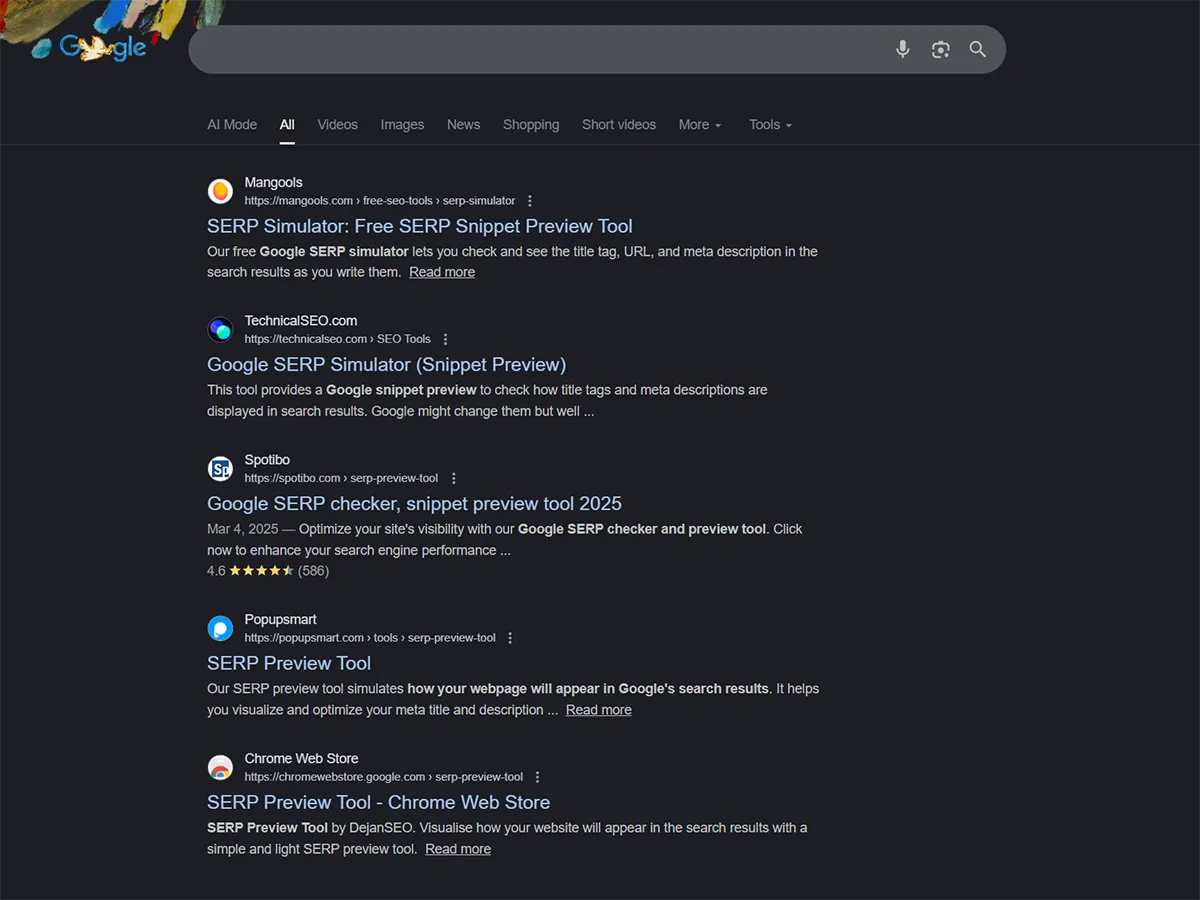
The meta title is the short, clickable headline shown in search engine results pages (SERPs), while the meta description is the brief summary displayed beneath it. These elements help search engines and users understand what your page is about. If they’re not properly optimized, they may get truncated, cutting off important information and ending with an ellipsis ("...").
To optimize your meta title and meta description, keep your title under 60 characters and include your primary keyword to align with what users are actively searching for. For meta descriptions, write them between 120-150 characters and spread your main keyword naturally. Since these are the first words your audience will see in Google search results for that webpage, highlighting its unique value and adding a subtle call to action can help increase click-through rates to your website.
2. Improve Mobile Performance and Load Speed
Most users browse on mobile devices these days, with the percentage of mobile internet traffic reaching 62.45% in 2025, compared to just 35.71% from desktops. This means your website must be fully mobile-friendly to capture that massive audience and avoid losing them to competitors. To make your website optimized for mobile SEO and ready to capture that traffic, follow these key tips:
- Your layout should automatically adjust to different screen sizes like phones, tablets, or desktops, without breaking or cutting off content.
- Fonts should be large enough to read comfortably on smaller screens, so users don’t need to pinch or zoom.
- Buttons, links, and forms need to be easy to tap without accidentally clicking something else, with enough spacing to stay touch-friendly.
- If you’re using pop-ups or banners, make sure they’re easy to close and don’t block the entire screen.
But, mobile-friendly design alone isn’t enough. Load speed is also the key determinant of a good or bad user experience from the moment someone lands on your site. When your website's load speed is slow, the audience is likely to bounce back before they explore your page. So your page speed ideally should load under 2-3 seconds to keep visitors hooked. You can test your site speed with SEO tool such as Google PageSpeed Insights to pinpoint the exact issues. If the culprit comes from image files, you can compress the image size with free tools like TinyPNG.
3. Strengthen Internal Linking to Key Pages
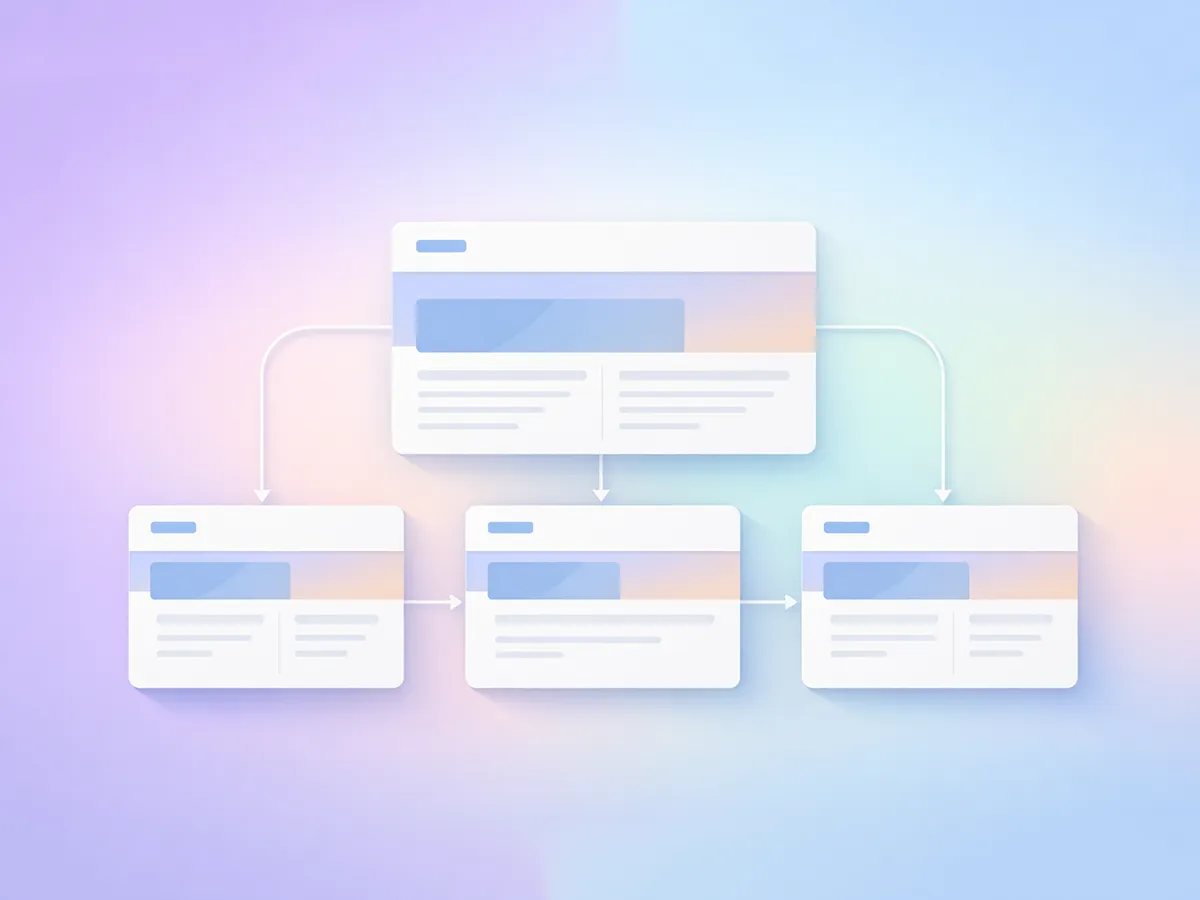
Internal linking works like pathways that connect your key pages to related content across your site. It helps search engines discover and index new pages, while also improving the user journey by guiding visitors to relevant information without needing to search externally or leave your site.
If used properly, internal linking passes link equity (SEO value) from high-authority pages to the ones you want to rank, such as product or service pages. For example, if you have a travel blog post that receives consistent traffic, such as “Best Places to Visit in Sydney,” you can link it to related pages like tour packages or travel planning services.
As mentioned by Neil Patel, a general rule of thumb for internal linking is to include 5–10 links per 2,000 words. While there’s no fixed rule, this range typically strikes the right balance and helps you avoid over-optimization. It is also important to keep anchor text varied and natural by using different types, and always make sure your links point to the most relevant destination for better crawling and user navigation.
4. Build Quality Backlinks Strategically
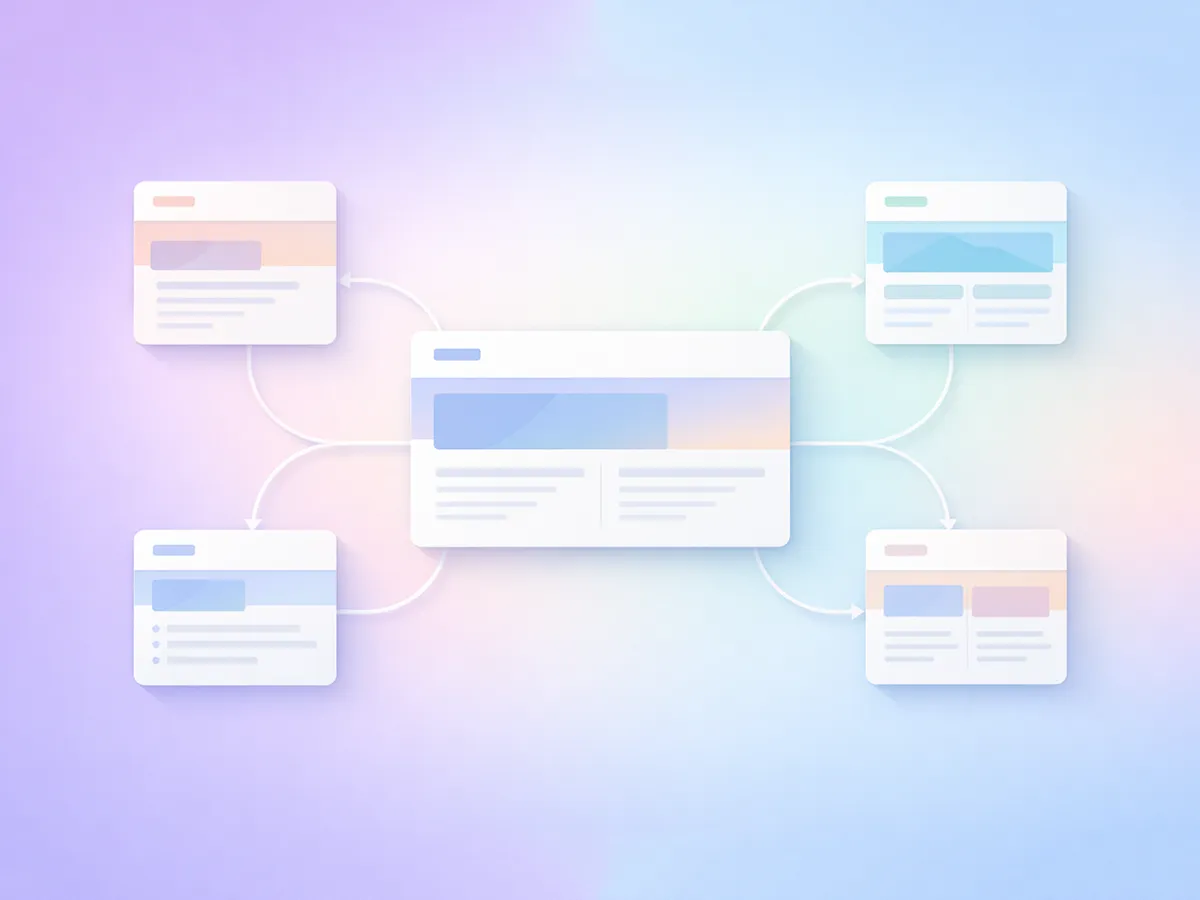
High-quality backlinks from trusted websites play a big role in boosting your site’s credibility. The more authoritative the sites linking to you, the stronger the trust signals sent to search engines. You can approach link building in a few ways: by writing guest posts for relevant blogs, creating valuable content or visuals that others want to reference, and collaborating with partners who serve a similar target audience.
When it comes to backlink strategies, quality always beats quantity. A handful of links from reputable, high-authority sites will have a much bigger impact than dozens of low-quality ones. To find backlink opportunities, analyze your competitors’ link profiles using SEO tools like Ahrefs, check your own backlink health regularly each month, and clean up any potentially harmful links using Google Search Console. With this approach, backlinks can steadily expand your reach and drive sustainable traffic growth over the long term.
How to Get Traffic to Your Website with High Quality Content
Google has revealed in its SEO starter guide that one of the most reliable ways to drive long-term traffic and attract visitors to your website is by creating helpful, relevant content that matches what users are actually searching for. That means you need to create people-first content that is unique and built around real questions and interests your target audience has.
Before creating content for your website, it’s important to understand the different content types and how each one aligns with search intent. When someone searches for “how to make sourdough bread at home,” they’re likely looking for a step-by-step guide, not a product page selling baking tools. So picking the right format early on helps your content perform better and connect with your audience.
Below are the types of content that pull in traffic when aligned strategically with search intent:
- Blog posts: Great for educating your audience and targeting informational keywords. Ideal for top-of-the-funnel traffic, they attract early-stage searchers and build topical authority by covering topics in depth.
- FAQs: Help capture voice search and long-tail keywords, especially those phrased as questions in a conversational tone. They reduce bounce rates by directly answering user doubts and improving featured snippet opportunities in SERPs.
- Comparison pages (e.g., "Tool A vs Tool B"): Perfect for bottom-of-the-funnel users who are close to making a decision and seeking side-by-side comparisons, including pros and cons, pricing tables, and feature breakdowns.
- How-to guides and tutorials: Step-by-step guides are an effective way to demonstrate expertise while delivering practical value. They tend to earn backlinks more easily and are excellent for building trust, especially when paired with visuals, videos, or downloadable resources. When properly optimized, how-to content often ranks for featured snippets and zero-click searches.
While creating content, don’t forget to apply basic SEO practices, like including your main target keyword in the meta title and meta description. Be sure to do keyword research using free tools like Google Keyword Planner, since your content is the perfect place to sprinkle long-tail keywords that target more specific search intent. Also, add internal links to related pages on your site and external links to credible sources to boost both your site’s authority and the overall user experience.
If your content includes images, we recommend compressing them for faster loading and always adding alt text with relevant keywords. This not only improves accessibility but also increases the chances of your images appearing in Google Image Search.
Pro tip: Don’t stop after creating one piece of content, but stay consistent. Over time, high-quality content that aligns with search intent can turn your website into a go-to resource for both search engines and people looking for real solutions.
Increasing Website Traffic with Paid Advertising and Social Media Platforms
There are moments when organic traffic isn’t enough, such as when you're promoting a limited-time offer or trying to drive attention to a specific page that's hard to rank because many competitors are targeting the same keyword. If that’s the challenge you’re facing, it might be time to consider using paid advertising and social media platforms to bring in traffic.

Paid Advertising Strategy
If you have a budget set aside for growth, paid channels or search engine marketing services (SEM) can help you appear faster in search results. With pay-per-click (PPC) platforms like Google Ads, you can target high-intent keywords and appear at the top of search results, even if your organic rankings are still in progress.
Retargeting is another key advantage of paid ads. You can re-engage visitors who didn’t convert the first time they visited your website, increasing the likelihood of return visits and conversions through search, shopping, or display ads.
You can also use paid promotion to boost your top-converting page or content. If a specific page or piece of content is already bringing in leads or sales, putting some ad budget behind it helps you scale results more predictably. That way, you're spending on what already works and driving real returns instead of just chasing short-term traffic.
When is The Best Time to Invest in Paid Traffic?
If you're still building your SEO foundation, it's better to start with organic strategies like publishing optimized blog content and improving on-page and off-page SEO. These efforts help you build lasting authority and organic visibility over time.
Once your content strategy is in place and fully optimized, you can begin layering in paid campaigns to expand your reach and start getting conversions through targeted audiences. In this way, paid traffic works best as a complement to your SEO, helping you scale faster without replacing your organic growth.

Collaboration and Social Media Strategy
If you're looking to promote your website beyond paid ads and boost brand awareness, partnering with influencers or adjacent brands can be a highly effective strategy. The impact of social media influencers continues to be a strong traffic driver, with 61% of consumers saying they trust influencer recommendations over traditional branded content. Collaborating with non-competing brands that share a similar audience can also help you expand your reach through co-marketing campaigns or content collaborations.
Outside of partnerships, creating and sharing your own content on social media is also a strong way to drive engagement. For example, you might post a carousel on Instagram feed that gives a sneak peek of a new blog article, then include a call-to-action inviting users to visit your website to read the full piece. These kind of posts can capture attention and serve as a direct pathway for audiences to visit your site. To get the most out of each platform, try these content styles that are built for engagement:
- Instagram Reels and TikTok videos help boost visibility through short-form, attention-grabbing content.
- Pinterest is great for driving evergreen traffic to blog posts, product pages, or how-to guides, especially in lifestyle, home, and eCommerce niches.
- LinkedIn carousels perform well for B2B brands, offering a clean format for delivering bite-sized insights or step-by-step frameworks.
Great Traffic Starts with Great Strategy
There’s no single magic for driving traffic to your website without a solid strategy. And the truth is, one strategy alone usually won’t be enough to see real growth. Your approach should reflect your goals, your audience, and your brand. For that reason, the most effective results come from combining multiple strategies.
You can start with a strong foundation by optimizing your SEO to boost organic search visibility. Then, expand your reach through consistent content creation and collaborations on social media. If you have the budget, consider layering in paid advertising to accelerate the results.
If you’re unsure where to start or struggling to attract the right traffic, KUMO Studio is here to help. We’ll craft and execute a tailored strategy designed to grow your audience and drive long-term results. Reach out today and let’s make your website get steady traffic every time!
Ready to bring your goals to life?
